
Table Contents
hide
from 0 review
3 Nights 4 Days
Daily Tour
12 people
___
Of course, let’s be realistic: many Himachal tours look pretty similar on paper: Manali for two days, maybe Rohtang Pass depending on the weather, and then the return journey. The Manali Solang Kasol trip that Lazy Monk Adventures runs is genuinely different — not because we’ve added fancier hotels or a longer packing list, but because the route itself tells a proper story. You start in Manali, climb into the snow-blown meadows of Solang, then drop all the way down into the pine-thick Parvati Valley and end up in Kasol with the river right outside your tent. Three nights, four days, two completely distinct Himachal personalities — and a pace that actually lets you breathe.
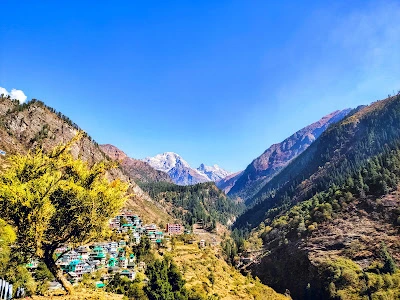
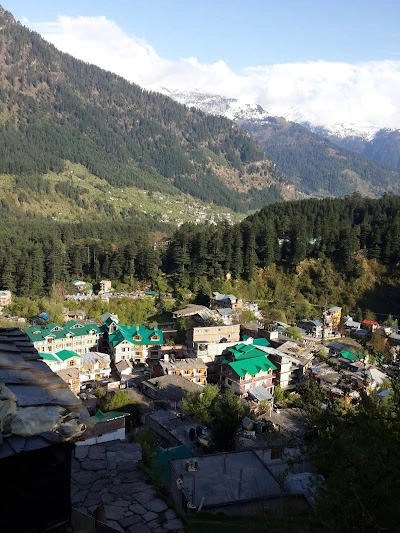
Manali on Day 1 is intentional. Most groups treat it as a pitstop, but we think that’s a mistake. There’s a reason this town has drawn travellers for decades — the Old Manali lanes, Hadimba Devi Temple sitting quietly under its ancient deodars, the Beas churning cold right beside the main road. It’s messy and loud in parts, sure. But arrive just before sunset, grab a window seat at one of the cafes on the bridge road, and watch the light go off the hills behind the temple — then you’ll understand. Your first evening on the Manali Solang Kasol tour is for getting settled, getting to know the group, and eating well before the big day tomorrow.
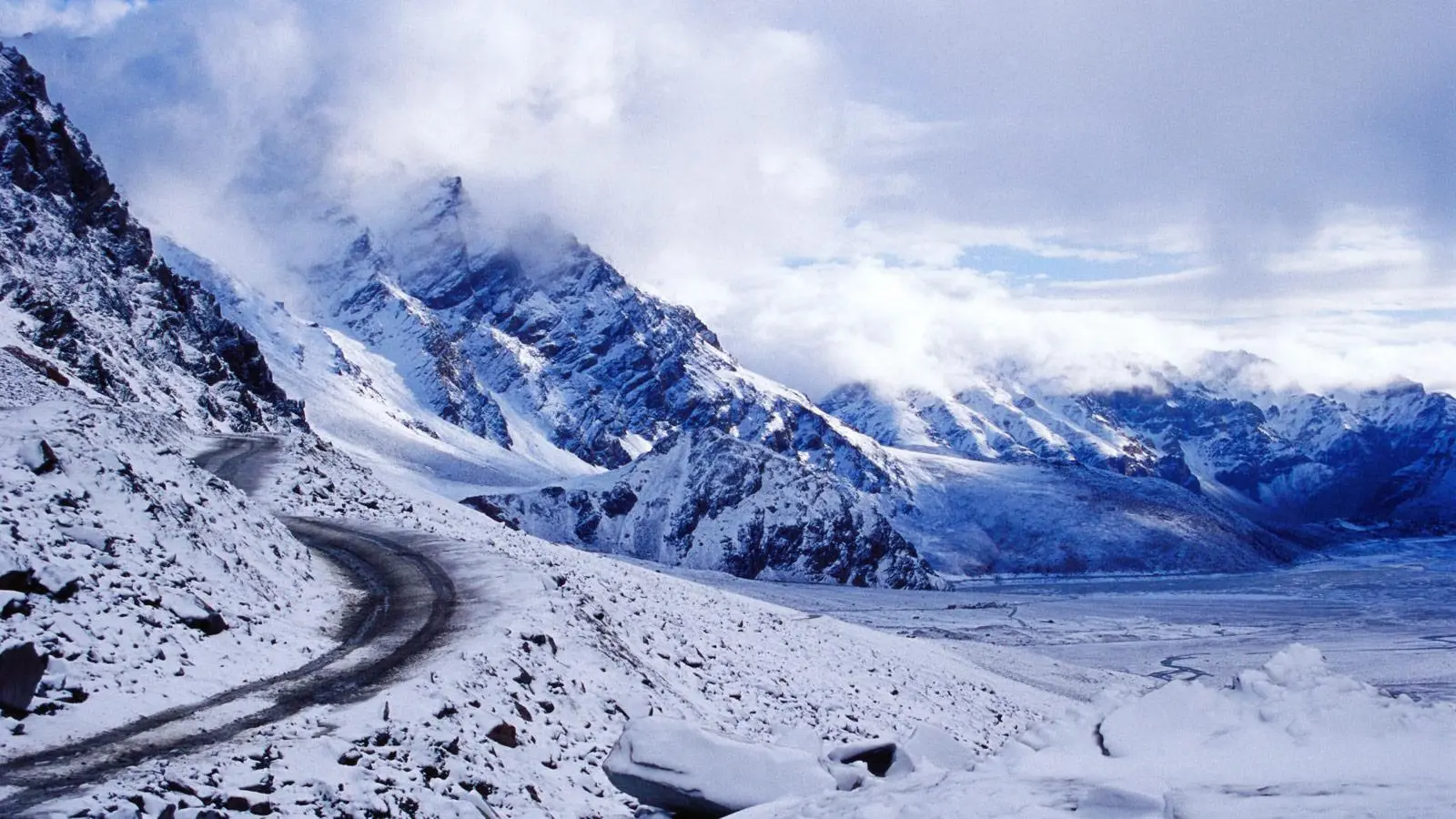
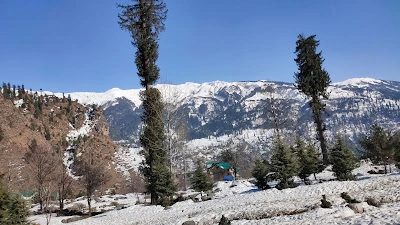
Solang Valley is the kind of destination that makes everyone shut up and look around. It’s about 14 km north of Manali town, after the Atal Tunnel (more on that later), and what you find is a vast expanse of open space surrounded by mountains on three sides. In January and February, it’s covered in thick snow and the ski operators set up their runs on the lower slopes. Come May or June, the snow pulls back to the peaks and the ground turns green — paragliders spiral overhead and the whole place takes on this calm, unhurried energy. The Manali Solang Kasol itinerary gives you a full day here. Not a quick look-and-move. An actual full day, which is what it deserves.
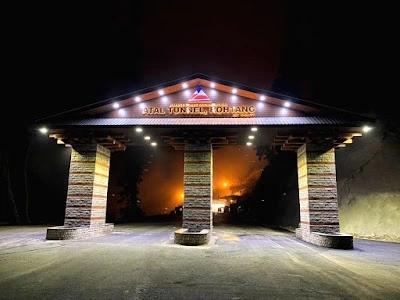
Getting to Solang involves passing through the Atal Tunnel, which, if you have not gone through it, is something you should know before arriving at Solang. It is 9.2 km in length and is essentially cut through the Rohtang Pass itself. It links the Kullu side with Lahaul. Until its opening in 2020, the only road over the Rohtang Pass was closed for almost six months of every year due to snow. This is not something that is true anymore. Passing through it while driving to Solang is somewhat surreal. You essentially enter one side of the mountains and come out the other side. The change is almost immediate. It is one of those little things that people end up talking a lot about when they get back home while driving through the Manali Solang Kasol route.
By Day 3, the Manali Solang Kasol journey pivots south. The road down to Kasol passes through the Kullu Valley, which is apple country, with orchards neatly cut into the sides of the hills, small farm buildings on the hillsides, and the Beas River flowing flat and broad across the valley floor. You pass through Bhuntar, and then take the road which follows the Parvati River, and in 30 or so kilometres, the forest closes in, and you’re in Kasol. It doesn’t announce its arrival. There’s no big signboard or famous landmark at the entry. It’s just suddenly there — a small clutch of guesthouses, bakeries with Hebrew script on the windows, a wooden bridge over the river, and the sound of the Parvati everywhere you go.
Kasol gets called the ‘Mini Israel of India’ and the name has stuck, though locals have complicated feelings about it. What’s true is that Israeli backpackers discovered the valley in the 1990s and a whole economy built up around them — the falafel joints, the wood-fired bread, the hummus. But beneath that surface, Kasol is a Himachali village sitting in one of the most beautiful river valleys in the state. The Parvati isn’t gentle here — it moves fast and loud through the boulders, grey-green with glacial silt. Camp by it for a night and it’s genuinely hard to leave. That’s not marketing copy; that’s just what most people say when the trip is over.
Day 4 includes Manikaran, which is 5 km further up the Parvati Valley from Kasol. The Gurudwara there is significant — it’s one of the most visited Sikh pilgrimage sites in Himachal, and the hot springs that emerge from the ground right next to the river are a genuinely strange geological phenomenon. The water boils at the source. The Gurudwara uses it to cook the langar rice, and there are bathing pools fed by the springs where you can soak. After three days of mountain driving and walking, that hot water does something to sore legs that nothing else quite replicates. And the langar — the free community meal served inside — is something you should plan to eat, not skip.
Lazy Monk Adventures keeps the groups on this trip small, which matters more than people realise when they’re booking. A smaller group means the logistics don’t become the whole story. You spend less time waiting around and more time actually in the places you came to see. Our trip leaders on the Manali Solang Kasol route have done this particular circuit many times — they know which viewpoints are worth pulling over for, which dhabas on the Kullu road are actually good, and how to read the mountain weather well enough to adjust the day if needed. First-timers in the Himalayas do well on this trip. So also people that have been to Manali before but want to see the side of it that the standard packages don’t cover.
The group gathers at the designated pick-up point, where we'll meet the team captains and attend a brief orientation session. Following this, we’ll embark on an overnight journey to Manali.
The trip starts from Delhi, where the group assembles and embarks on an overnight journey to Manali.
Pack comfortable clothing suitable for both warm and cold weather, as temperatures can vary. Include trekking shoes, a light jacket, personal toiletries, and any specific gear for adventure activities you plan to partake in.
The trip can be enjoyed year-round, with summer (March to June) offering lush greenery and adventure activities, while winter (December to February) is perfect for snowfall and skiing in Solang Valley.
Accommodations include hotels in Manali and camps in Kasol, ensuring a comfortable stay amidst the beautiful landscapes.
Delhi is well connected by air, bus, and train from various parts of India and internationally. You can choose the mode of transport that best suits your needs.
Leave a review