
Table Contents
hide
from 0 review
3 Nights 4 Days
Daily Tour
10 people
___
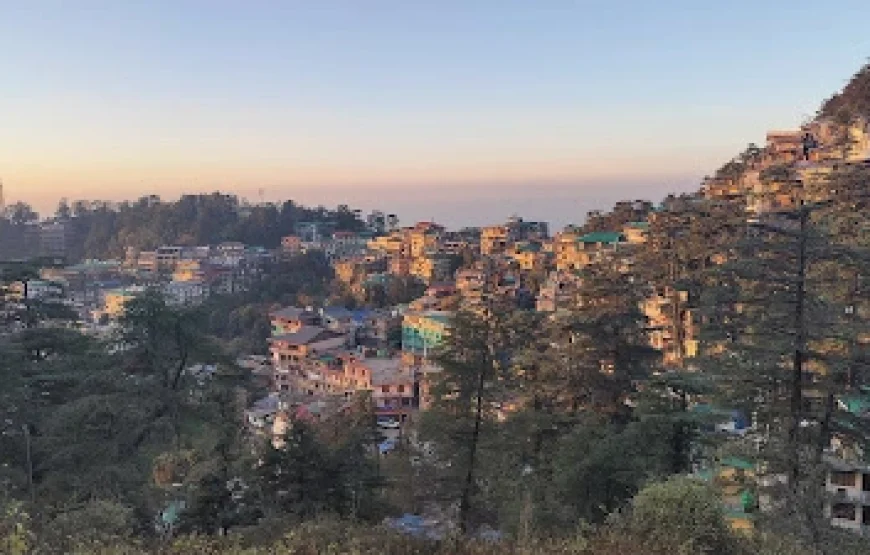
Ask anyone who has been on the Mcleodganj Triund Bir trip and the answer that most people will give is something along these lines: “I didn’t think it would be so different from day to day.” That’s because different it is. This is not a trip to a destination and then a day’s travel on either end. This is three different places: Mcleodganj, Triund, Bir Billing, and they are connected by a logical route. Lazy monk adventure has designed the four days so each stop gets the time it deserves, not just a two-hour drive-through before you’re moved along to the next thing.
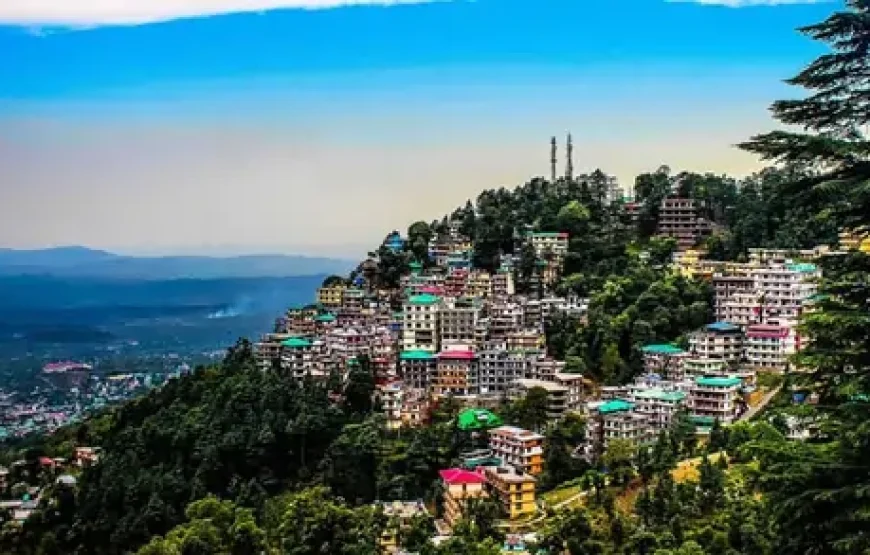
Mcleodganj is where it all starts, and it’s earned itself far more than just one night’s stay, to say the least. It’s situated at about 1,457 meters, perched on a ridge above the Kangra Valley, while the Dhauladhar range soars up steeply to the north. This is the headquarters of the Tibetan government-in-exile, and has been the residence of the 14th Dalai Lama since 1960. This history, both political and cultural, is never far from view – in Namgyal monastery, for instance, which is the Dalai Lama’s personal monastery and one of the most important Tibetan Buddhist institutions outside Tibet; or in the monks in their maroon robes wandering the market streets; or in the Tibetan restaurants serving up butter tea and thukpa alongside the usual Himachali fare in the dhabas. It’s a complex place, this. A pilgrimage town, a cultural center, an old backpacker stop. None of these things exclude the others, and so the first night of the Mcleodganj Triund Bir trip tends to extend itself beyond the intended hours.
Before leaving Mcleodganj on Day 1, the itinerary has Bhagsu Nag, which has a Shiva temple and a natural pool created by a mountain stream, which is just 20 minutes walk from the main market. Most people continue the walk to Bhagsu Waterfall, which takes another 30 minutes each way, going through a gorge. It’s not a tough walk. It’s a good one though, and it gets your legs moving before the actual climb the next morning. The evening back in Mcleodganj is for food and rest. The Triund day starts early.
Day 2 is the physical heart of the Mcleodganj Triund Bir circuit. The trek to Triund begins at Dharamkot, which is only a 20-minute walk or short auto-ride away from Mcleodganj. It is a 9-kilometre ascent of 900 metres through oak and rhododendron forest in the lower sections of the trek before the trees give way and the views open up. It is graded as an easy to moderate difficulty trek. There are a few steeper rocky sections, like the infamous 22 curves section at the top of the hill, but no technical gear is needed and no high-altitude experience is necessary. Any reasonably fit beginner can manage it without too much difficulty, but it is easy to underestimate the sun and the pace of the ascent.
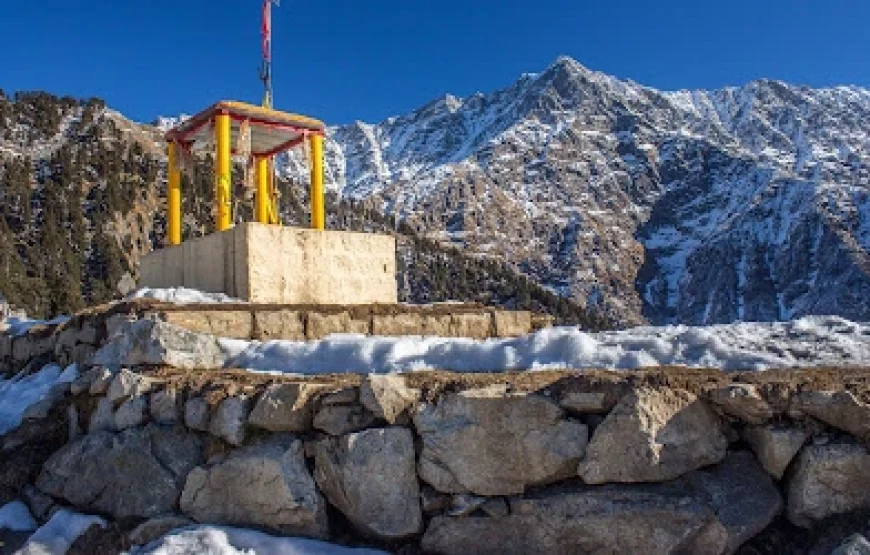
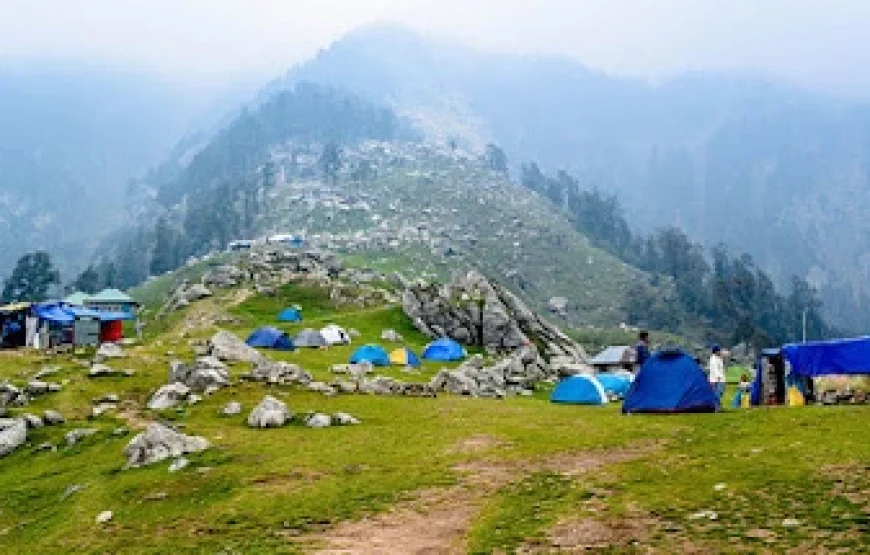
The Triund ridge at 2,850 metres is where the trip really gets into something harder to describe. The Dhauladhar Range rises almost vertically out of the northern edge of the ridge, with peaks between 4,000 and 5,200 metres dominating most of the northern sky. There is a small tea shop and a designated campsite at the top. You set up tents, eat dinner cooked at the camp, and then the evening just happens around you. If the sky is clear — and it often is in the shoulder seasons — the stars from 2,850 metres with no light pollution from below are something most people on the Mcleodganj Triund Bir trip mention when they’re talking about the highlights later.
Day 3 brings the descent and the transition to Bir. The descent from Triund takes about 2.5 to 3 hours, followed by a quick trip back to Mcleodganj to pick up the bags stored there, before the road journey to Bir, about 70 km via the Kangra Valley, taking about two to two and a half hours. The journey itself is enough to stay awake for. You descend from the ridge, and the valley opens up wide below you. By the time you arrive at Bir, the landscape is completely different from anything you have seen in the first two days of the trek. Bir is situated in a bowl of the Kangra Valley, surrounded by low-lying terraced hills, and the Dhauladhar range appears now as a wall behind you to the north. There is a Tibetan colony, several small monasteries, and a landing spot that has become one of the most talked-about paragliding spots in the world.
Bir-Billing is the final chapter of the Mcleodganj Triund Bir trek. Billing is the launch site, at around 2,400 metres up in the hills above the village, and the tandem paragliding flight from there covers the full stretch of the Kangra Valley on a good weather day — typically 25 to 35 minutes in the air. The Billing site has hosted national and international paragliding competitions and is regularly ranked among Asia’s top flying destinations. For first-timers, the pre-flight anxiety tends to evaporate about ten seconds after launch. For people who’ve flown before, the Kangra Valley run is legitimately one of the better cross-country panoramas available anywhere in the Indian Himalayas. Either way, it’s a strong way to finish a trip that’s covered a lot of ground in four days — and it gives the Mcleodganj Triund Bir circuit a conclusion that’s active and memorable rather than just a long drive home.
Mcleodganj is a picturesque hill station in Himachal Pradesh, renowned for its Tibetan culture and as the residence of the 14th Dalai Lama. It serves as a base for several trekking routes, including the popular Triund Trek. Bir Billing, on the other hand, is famous for adventure sports, particularly paragliding, and is considered one of the best paragliding sites in the world.
The Triund Trek is a moderate-level trek that starts from Mcleodganj and offers breathtaking views of the Dhauladhar range and the Kangra Valley. It is suitable for both beginners and experienced trekkers, making it a popular choice for those looking to explore the natural beauty of the region.
In Bir Billing, visitors can enjoy tandem paragliding flights with experienced pilots. The take-off site is at an altitude of around 2,400 meters, providing stunning panoramic views of the valley and the Dhauladhar range while soaring through the sky. The experience is perfect for adventure enthusiasts and offers a thrilling rush.
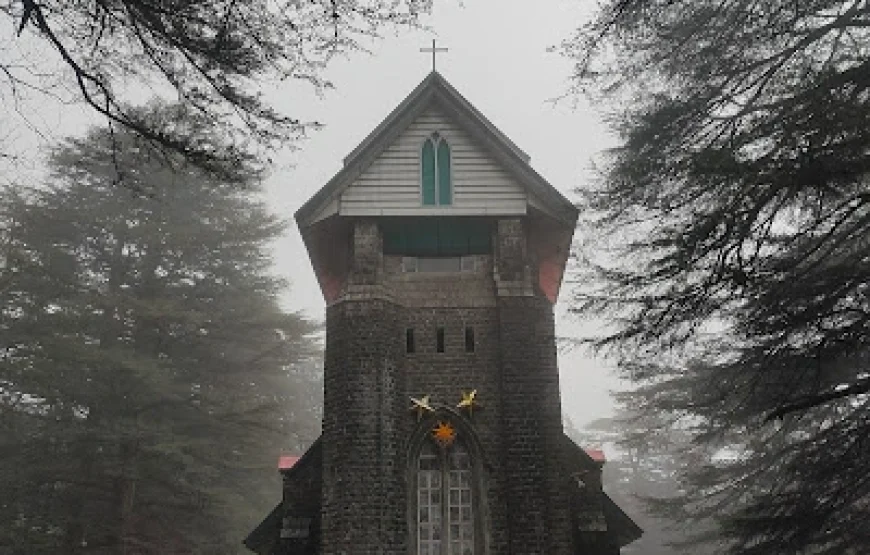
Both Mcleodganj and Bir are rich in Tibetan culture. In Mcleodganj, you can visit significant sites such as the Namgyal Monastery and St. John’s Church, and experience local rituals and cuisine. In Bir, the Tibetan Colony offers opportunities to interact with locals, explore monasteries with intricate architecture, and indulge in Tibetan food.
The weather in Mcleodganj and Bir can vary depending on the season. Summers (March to June) are pleasant, while winters (November to February) can be quite cold, with snowfall possible. It’s best to check the weather forecast before your trip and pack accordingly.
Leave a review